
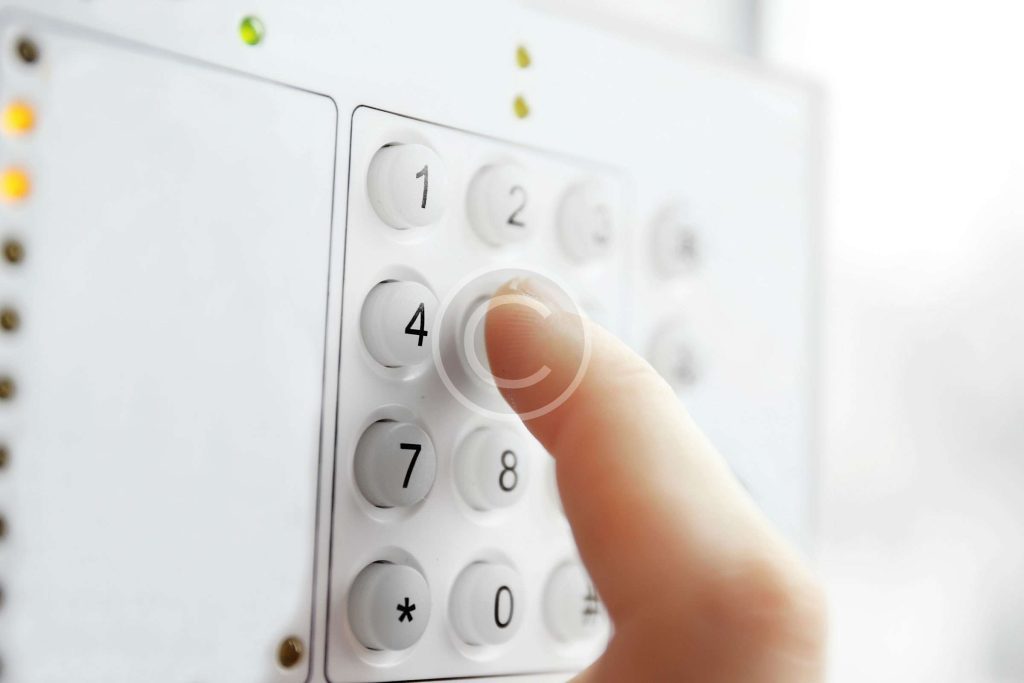
On one hand, we want the protection. We want to know that if a window breaks or a door opens unexpectedly, a siren will sound and help will arrive. On the other hand, many of us find our alarm systems incredibly annoying. They beep when we open a window for fresh air. They go off when we burn the toast. They demand a complex code the second we walk through the door with arms full of groceries.
At Liberty Locksmith, we believe that security should not be a burden. If you are constantly fighting with your alarm, you are less likely to use it. That defeats the purpose entirely. Here is how to come to terms with your system and make it work for you, not against you.
The “Boy Who Cried Wolf” Effect
The biggest issue with older alarm systems is false positives. If your motion detector is triggered by the cat every Tuesday, or if your glass break sensor goes off when you drop a fork, you stop trusting the system. Eventually, you stop turning it on.
This is dangerous. A dormant alarm system provides zero protection.
If you are experiencing frequent false alarms, it is time for maintenance.
- Sensor Placement: Motion detectors should not face windows where heat changes occur.
- Battery Health: Low batteries in wireless sensors often cause erratic behavior before they die completely.
- Pet Immunity: Modern sensors can distinguish between a 15-pound dog and a 200-pound intruder.
Integrating Locks and Alarms
The traditional way of entering a home involves two distinct steps. First, you unlock the deadbolt. Second, you rush to the keypad to disarm the system before the countdown ends.
This separation creates stress. It also leads to errors. How often have you unlocked the door but forgot to disarm the system until the siren started screaming?
The solution is integration. Modern smart locks can communicate directly with your alarm panel.
- One-Touch Entry: When you enter your code into the smart lock, it can automatically disarm the security system.
- Auto-Arming: When you lock the door from the outside, the system can arm itself automatically.
We can help you choose locks that speak the same language as your security panel. This seamless connection removes the “rush to the keypad” anxiety completely.
The Mental Shift: Layers of Defense
Coming to terms with your alarm means understanding its role. An alarm is a notification system. It tells you something is happening. However, it cannot physically stop someone from entering.
That is the job of your locks.
A loud siren might scare an intruder away, but a high-security deadbolt keeps them out in the first place. Your alarm system and your physical hardware are partners. They need to work together.
- The Lock: The physical barrier that buys you time.
- The Alarm: The digital cry for help that alerts authorities.
- The Camera: The visual evidence of the event.
Upgrading the User Experience
If your keypad looks like a calculator from 1995, it is likely hard to use. Old interfaces are confusing. They use cryptic codes and blinking lights that require a manual to decipher.
Modern systems use touchscreens or smartphone apps. They use plain English. Instead of a blinking red light on “Zone 4,” your phone simply says “Kitchen Window Open.”
Upgrading the interface can change your entire relationship with the system. When the technology is intuitive, you will actually use it.
Conclusion: Make Peace with Your Security
Do not let frustration leave your home vulnerable. If you are not using your alarm because it is too difficult or annoying, it is time for a change.
Whether you need to upgrade your physical locks to integrate with a smart system or simply need advice on securing your perimeter, we are here to help.
Is your alarm system driving you crazy? Contact Liberty Locksmith today. We can help you secure your home with hardware that complements your alarm, ensuring you stay safe without the stress.