
The University of Minnesota Twin Cities campus stands as one of the most important and recognizable institutions in Minneapolis. Spanning both sides of the Mississippi River, it combines historic charm with modern innovation, creating a vibrant and constantly evolving environment.
As a central part of the city, the campus influences surrounding neighborhoods, local businesses, and daily life. With such a high level of activity, safety and accessibility remain essential for students, residents, and property owners alike.
A Historic and Expansive Campus
Founded in 1851, the University of Minnesota Twin Cities has grown into one of the largest public universities in the United States. Its campus is divided into the East Bank and West Bank, each offering a distinct atmosphere.
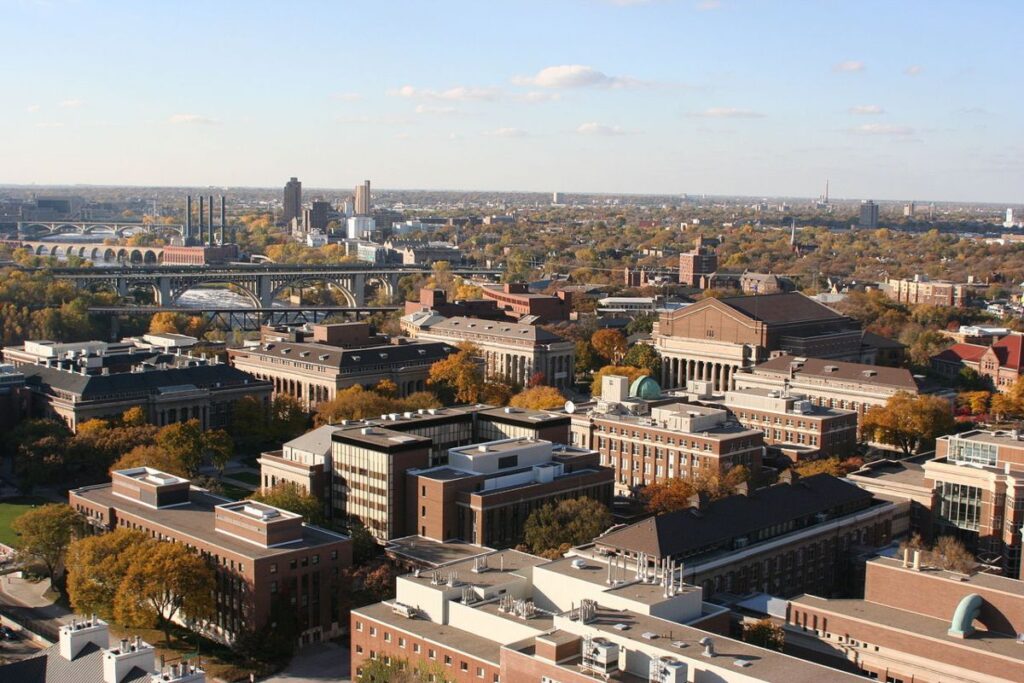

The East Bank features academic buildings, research centers, and administrative offices, while the West Bank is known for its arts and cultural spaces. Connecting these areas is the well-known Washington Avenue Bridge, which provides both convenience and scenic views of the Mississippi River.
This layout creates a unique flow of movement, with thousands of people traveling between buildings, transit stops, and nearby neighborhoods every day.
A High-Activity Environment
The campus supports a large and diverse population, including students, faculty, staff, and visitors. This constant activity contributes to a dynamic atmosphere but also introduces practical challenges—particularly when it comes to security.
Student housing experiences frequent turnover, with new residents moving in and out throughout the year. As a result, issues such as misplaced keys, lockouts, and outdated locks are common.
In situations like these, having access to reliable local services such as Minneapolis, Minnesota can make a significant difference. Familiarity with the area allows for quicker response times and more effective solutions.
Student Housing and Security Considerations
Housing options around the university range from dormitories to shared apartments and private rentals. Many of these properties accommodate multiple tenants, which increases the need for consistent security management.
Common concerns include:
- Rekeying locks after tenant changes
- Replacing lost or stolen keys
- Emergency lockout assistance
- Upgrading to more secure locking systems
Because student life moves quickly, solutions must be both efficient and dependable. Property managers and residents benefit from services that understand the unique rhythm of the university environment.
Research Facilities and Advanced Security Needs
Beyond residential areas, the University of Minnesota is known for its extensive research facilities. Laboratories, medical buildings, and specialized centers often require advanced access control systems.
These spaces rely on a combination of traditional locks and modern electronic security measures. Locksmith professionals working in this area must be equipped to handle both, ensuring that sensitive environments remain protected.
The mix of historic buildings and cutting-edge infrastructure adds another layer of complexity, requiring adaptable and knowledgeable service providers.
Transportation and Accessibility
The campus is well connected to the rest of Minneapolis through public transportation, bike paths, and pedestrian routes. This accessibility makes it easy for people to move throughout the area.
However, increased accessibility also brings additional security considerations. With so many entry points and high foot traffic, the risk of lost keys or unauthorized access can rise.
Quick and effective solutions are essential in maintaining safety without disrupting daily routines. This is especially important in a fast-paced environment where time is often limited.
A Cultural and Economic Center
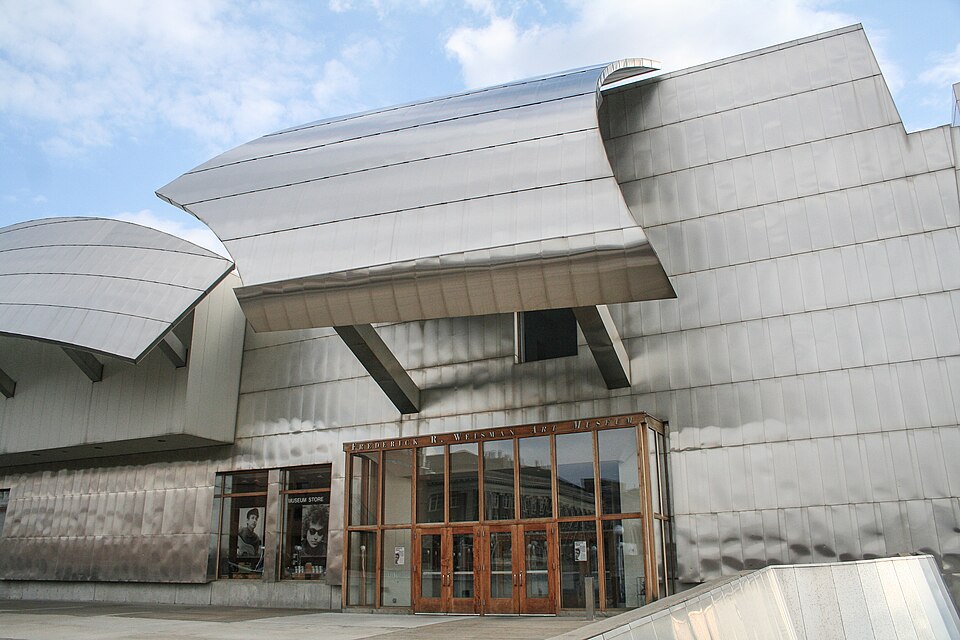
The University of Minnesota Twin Cities campus is more than an academic institution—it is also a cultural and economic hub recognized by organizations like Meet Minneapolis Official Tourism Site. The area hosts events, performances, and activities that attract visitors from across the region.
This steady flow of people supports local businesses and contributes to the city’s economy. It also creates a wide range of service needs, including residential and commercial security solutions.
The diversity of the area highlights the importance of working with professionals who understand both the community and its evolving demands.
.jpg)
Why Local Knowledge Matters
Operating in a complex environment like the University of Minnesota requires more than technical expertise. Local knowledge plays a key role in delivering effective service.
Understanding campus layouts, traffic patterns, and common issues allows professionals to respond more efficiently. This leads to faster service, better outcomes, and increased peace of mind for residents and property owners. In an area where timing and reliability are critical, this level of familiarity makes a meaningful difference.
The University of Minnesota Twin Cities campus is a defining feature of Minneapolis, bringing together education, culture, and community. Its unique structure and constant activity create a wide range of security needs that require attention and expertise.
From student housing to research facilities, maintaining safety is an ongoing priority. With the support of knowledgeable local professionals, the campus and its surrounding neighborhoods can continue to thrive in a secure and accessible environment.


