
When you install a new lock or purchase a safe, you’re making a security decision — and like most decisions, it pays to understand the standards behind the products you’re choosing. ASTM International, a globally recognized organization that develops voluntary technical standards across industries, publishes testing protocols specifically for locks, deadbolts, and safes.
For Minneapolis residents evaluating home security, knowing what those standards mean in practice helps you ask the right questions and make choices that actually protect what matters.
What ASTM International Standards Are and Why They Matter
ASTM International — formerly known as the American Society for Testing and Materials — develops consensus-based standards used by manufacturers, builders, and consumers worldwide. In the security industry, ASTM standards define how locks and safes must perform under controlled testing conditions: how many cycles a lock must withstand before failure, how much force a deadbolt must resist, and how long a safe must protect its contents under fire or attack conditions.
These aren’t government regulations — ASTM standards are voluntary. But they’ve become the de facto benchmark that reputable manufacturers meet and that informed buyers reference when comparing products. A deadbolt that meets ASTM F476, the standard for security of swinging door assemblies, has been tested against forced entry in ways that an uncertified product has not. For Minneapolis homeowners dealing with the security demands of a cold-climate urban environment — where frozen mechanisms, old door frames, and wear from seasonal expansion are real factors — that testing baseline matters more than it might in milder regions.
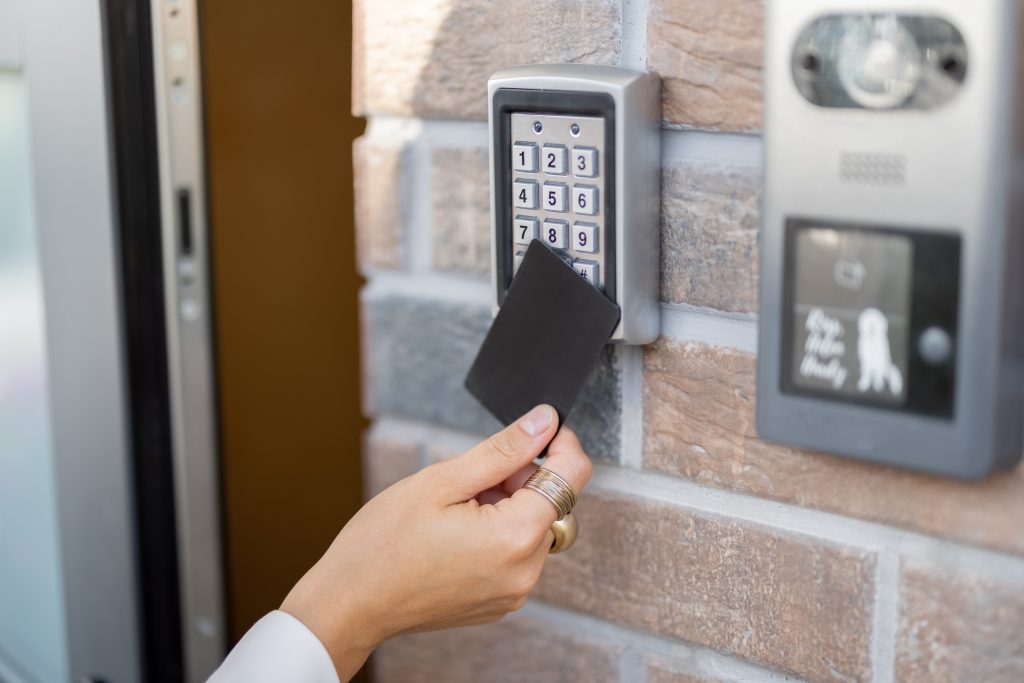
How ASTM Grades Translate to Real Security Levels
ASTM lock standards use a grading system that reflects increasing levels of durability and security resistance. Grade 1 is the highest rating, designed for heavy commercial use and offering the strongest resistance to picking, drilling, and forced entry. Grade 2 covers standard residential and light commercial applications, while Grade 3 represents the minimum threshold for basic residential use.
Understanding these grades helps Minneapolis residents make smarter purchases rather than defaulting to whatever a big-box store stocks. A Grade 1 deadbolt on your front door isn’t overkill — it’s the appropriate choice for a primary entry point, particularly in urban neighborhoods where door-kick entry attempts are among the most common residential break-in methods. The Bureau of Labor Statistics tracks locksmith industry data that consistently reflects strong demand for security upgrades in metro areas like the Twin Cities, where multi-family housing and high-density neighborhoods create concentrated security needs.
ASTM Safe Standards and What They Protect Against
Safes carry their own set of ASTM standards, and the distinctions matter significantly depending on what you’re storing. ASTM E119 governs fire resistance testing — determining how long a safe’s interior temperature remains below the threshold that destroys paper documents (approximately 350°F) or digital media (which fails at much lower temperatures). A safe rated for 30 minutes of fire protection performs very differently from one rated for 60 or 90 minutes, and those differences reflect real testing under standardized conditions.
Burglary resistance for safes is typically rated separately, often under UL (Underwriters Laboratories) classifications that complement ASTM fire standards. The FTC’s consumer protection guidance notes that safe labeling can be misleading — “fire resistant” doesn’t mean “fireproof,” and a safe rated for document protection may not protect electronic media at all. Minneapolis residents storing hard drives, flash drives, or birth certificates alongside paper documents need safes with dual-rated protection that addresses both threat types explicitly.
Choosing Security Products That Meet the Standard in Minneapolis
The gap between a compliant product and a non-compliant one isn’t always visible at point of purchase. Packaging claims like “heavy duty” or “high security” carry no standardized meaning — they’re marketing language, not testing certifications. The products worth trusting carry explicit ASTM grade markings, UL ratings, or ANSI/BHMA (American National Standards Institute / Builders Hardware Manufacturers Association) certifications, all of which reflect actual laboratory testing rather than manufacturer self-assessment.
For Minneapolis homeowners and businesses evaluating high-security lock installation the practical takeaway is straightforward: ask your locksmith which standards a product meets before committing. A professional who can explain the difference between Grade 1 and Grade 2, or who knows whether a safe’s fire rating covers digital media, is one operating at a level of expertise that protects you beyond the transaction itself. The Small Business Administration also advises small business owners to prioritize certified security hardware as part of physical security planning — a recommendation that applies equally to the home offices and small commercial spaces that define much of Minneapolis’s residential landscape..
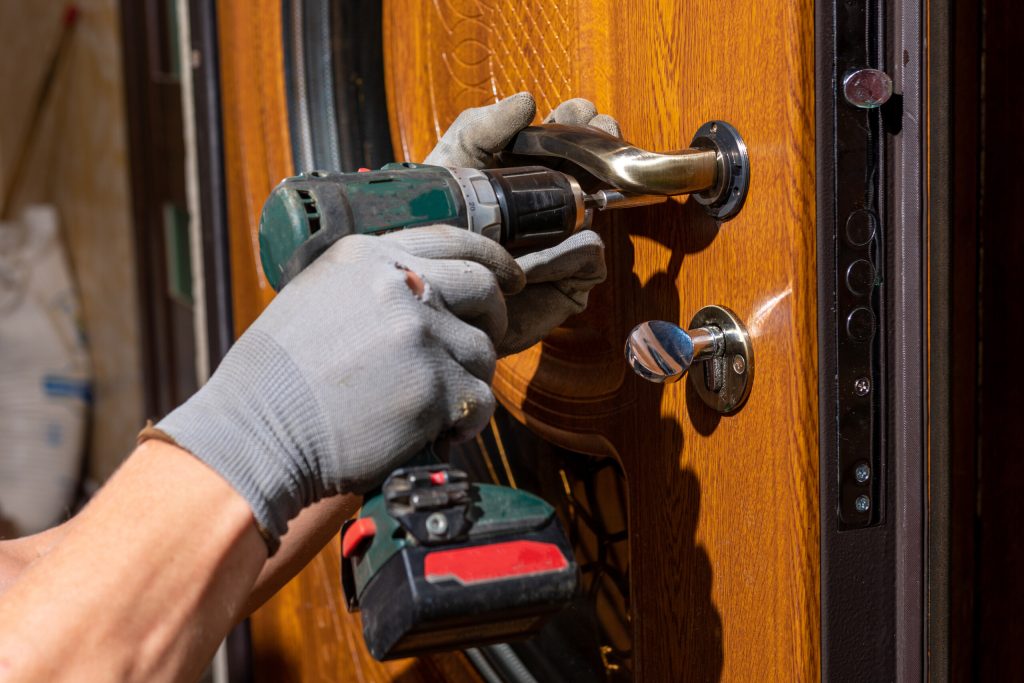
Minneapolis Locksmith Services Built Around the Right Standards
Knowing what ASTM grades and certification ratings mean puts you in a much stronger position when it’s time to upgrade your security. It separates products that look the part from products that actually perform — and it gives you a framework for evaluating the locksmith you hire alongside the hardware they recommend.
Liberty Locksmith LLC brings that standard to every job across Minneapolis, Saint Paul, Bloomington, Brooklyn Park, Edina, Eagan, and the broader Twin Cities metro. Available 24/7 for emergency lockouts, lock changes, rekeying, high-security lock upgrades, and safe services, our mobile technicians arrive with the knowledge to match the right certified product to your specific door, frame, and security needs.
When you’re ready to upgrade your home or business security with hardware that actually meets the grade, contact us and let’s talk about what your property needs.


