
Minneapolis is home to one of the most architecturally distinctive sports venues in the United States. U.S. Bank Stadium, situated in the East Downtown neighborhood — locally known as “East Town” — serves as the centerpiece of a rapidly evolving urban district that has reshaped how residents and visitors experience downtown Minneapolis. Understanding this area’s development, design, and place in the city’s fabric offers valuable insight into how Minneapolis continues to grow as a major metropolitan hub.
The East Downtown District: A Neighborhood in Transition
East Downtown Minneapolis, or East Town, is the neighborhood directly east of the central business district, bordered roughly by Chicago Avenue to the east, the Mississippi River to the south, and the downtown core to the west. For much of the 20th century, this area served as an industrial corridor with limited pedestrian activity and fragmented urban development.
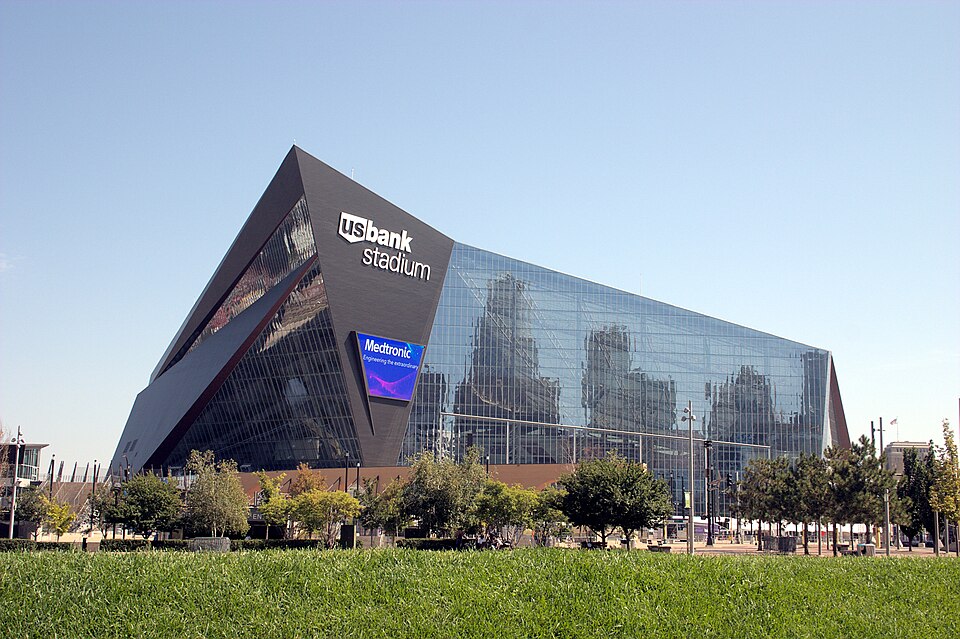
The construction of U.S. Bank Stadium, which opened in 2016, became the catalyst for a significant neighborhood transformation. According to the Minnesota Sports Facilities Authority, the stadium project was accompanied by a broader master plan to activate surrounding blocks with mixed-use development, transit infrastructure, and public gathering spaces. The East Town Partnership, a business and community organization, has since coordinated ongoing improvements to sidewalks, lighting, wayfinding, and green space throughout the district.
.jpg)
Today, East Downtown hosts a growing mix of hotels, residential towers, office buildings, restaurants, and entertainment venues — all clustered within walking distance of the stadium campus. This density makes it one of the most walkable sections of Minneapolis, a city already recognized for its pedestrian and cycling infrastructure.
U.S. Bank Stadium: Design, Scale, and Engineering
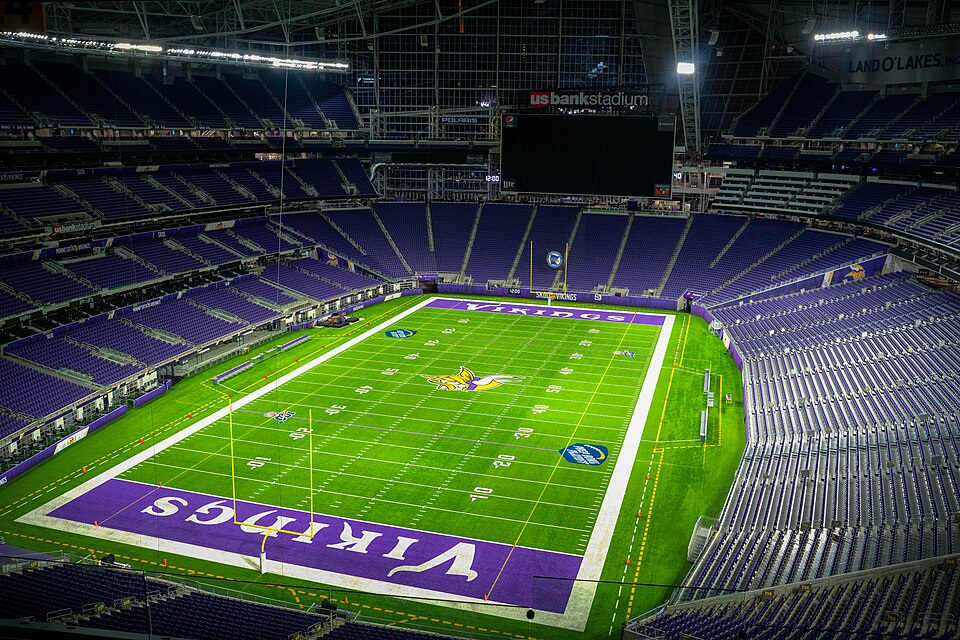
U.S. Bank Stadium is the home of the Minnesota Vikings of the National Football League. The facility was designed by HKS Architects and constructed by the joint venture of Mortenson Construction. It covers approximately 1.75 million square feet of total building area and seats roughly 66,200 fans for standard NFL games, with the capacity to expand for major events.
One of the stadium’s most notable design features is its fixed roof, constructed primarily from ethylene tetrafluoroethylene (ETFE) — a transparent, lightweight polymer that allows natural light to enter while protecting the interior from Minnesota’s severe weather. This distinction matters greatly in a climate where winters regularly bring below-zero temperatures and heavy snowfall. Unlike the previous venue, the Hubert H. Humphrey Metrodome, which used an inflatable fabric roof that required pressurization, the ETFE roof at U.S. Bank Stadium is a rigid, permanent structure requiring no inflation system to maintain its shape.
The stadium also incorporates five pivoting glass doors on its northwest facade, each standing approximately 95 feet tall. These doors allow the building to open partially during mild weather, blurring the boundary between interior and exterior space — a design feature rarely seen in cold-weather NFL venues. The use of structural glass at this scale presented unique engineering challenges that the project team addressed through custom-engineered hardware and installation methods.
Climate Considerations and Building Resilience
Minneapolis sits in a continental climate zone, characterized by extreme seasonal variation. Average January temperatures hover near 13°F (-10.6°C), while summer highs frequently reach the upper 80s°F (low 30s°C). The city receives an average of approximately 54 inches of snow annually, according to NOAA climate data. These conditions directly inform how large structures in the city are designed, maintained, and secured.
The ETFE roof panels at U.S. Bank Stadium were engineered to shed snow and ice without active snow removal systems, a significant logistical advantage over previous dome designs that required careful monitoring of roof load limits. The stadium’s envelope was also designed to manage the substantial thermal expansion and contraction that occurs across Minnesota’s temperature extremes — a factor that affects everything from structural connections to door hardware and locking mechanisms throughout the facility.
For property owners and facility managers throughout the Twin Cities, these same climate-driven engineering considerations apply to commercial and residential buildings. Extreme cold affects door frames, locks, and mechanical entry systems in ways that milder climates do not, making proper installation and material selection particularly relevant in the Minneapolis market.

Transit, Accessibility, and Urban Connectivity
U.S. Bank Stadium sits adjacent to the Metro Transit Blue Line light rail, with the Stadium/Government Center station located immediately to the stadium’s west. This direct light rail connection links the venue to Minneapolis-Saint Paul International Airport, the Mall of America in Bloomington, and the broader downtown transit network — making it one of the most transit-accessible sports facilities in the country.
The Metro Transit system reports that a substantial share of stadium event attendees arrive by light rail, reducing the traffic and parking pressure that historically burdens large-venue events in dense urban areas. Event day pedestrian volumes in East Downtown can reach into the tens of thousands, which has required careful coordination between the stadium, city planners, and neighboring property owners to manage access and security at building entries throughout the district.
Pedestrian access within East Downtown has also been improved through the city’s skyway system, which extends into parts of the district, as well as street-level improvements funded through Tax Increment Financing (TIF) districts associated with the stadium development.
Community Impact and District Growth
Beyond game days, U.S. Bank Stadium has hosted major events including Super Bowl LII in February 2018, the NCAA Men’s Final Four, and multiple college football games. Each of these events draws significant national attention and temporary population surges to East Downtown, placing high demand on local infrastructure, hospitality services, and building security systems throughout the neighborhood.
The residential population of East Downtown has grown considerably since the stadium’s opening. New apartment and condominium developments have risen within blocks of the venue, attracting residents who value walkability, transit access, and proximity to downtown employment centers. This growth mirrors broader patterns seen across Minneapolis, including near the University of Minnesota Twin Cities campus, where dense urban neighborhoods have expanded alongside major institutional anchors.
With this residential growth comes increased demand for reliable building access systems, package security, and entry hardware that can withstand both high foot traffic and Minneapolis’s demanding winters. The East Town Partnership continues to publish neighborhood development updates and hosts events designed to connect residents, businesses, and stakeholders in shaping the district’s ongoing growth.
For those interested in the full scope of the area’s transformation, the East Town maintains current information on development projects and community programming.


