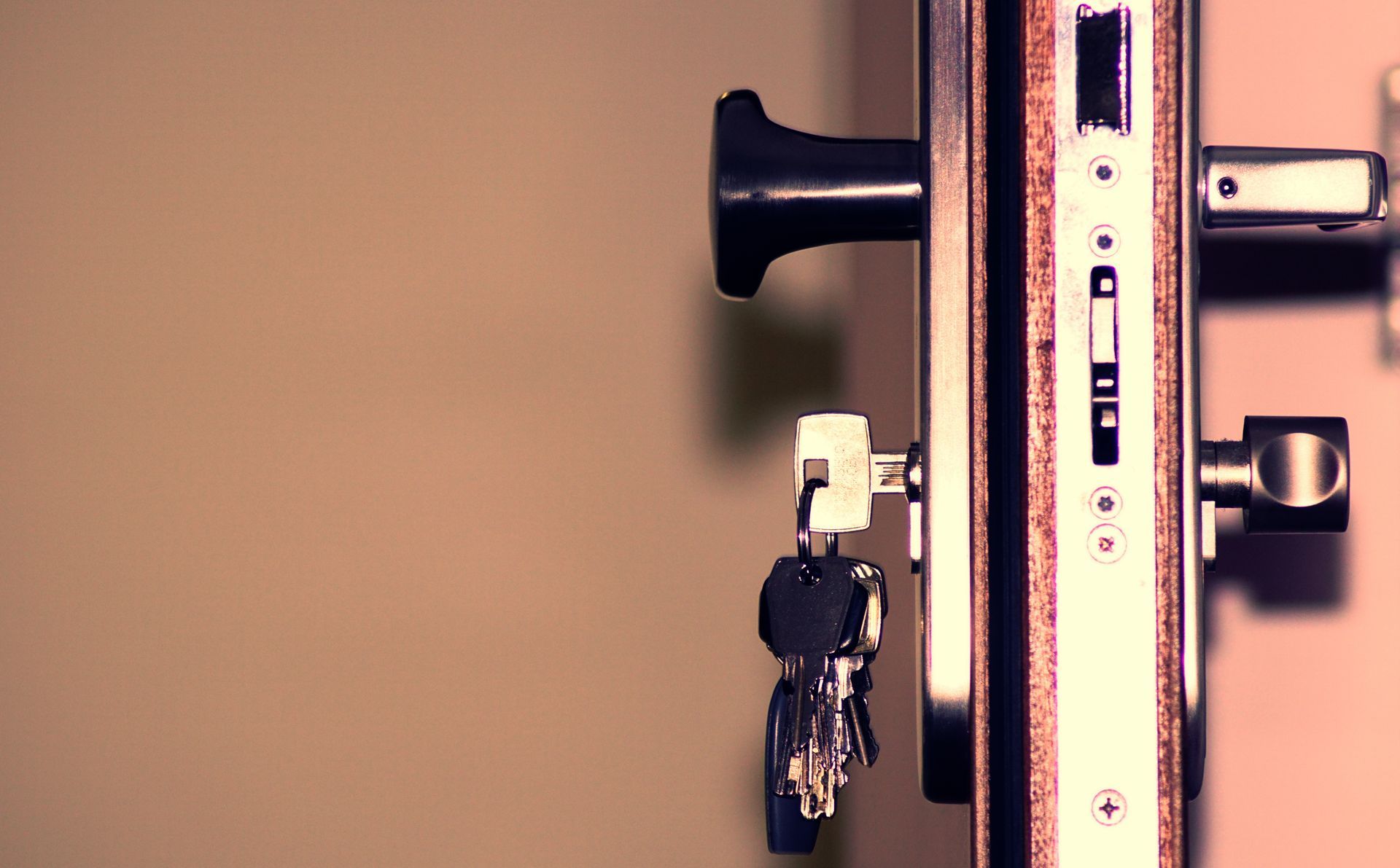
A spare house key sounds simple until the one you’re copying is worn smooth, or stamped with a warning that makes you wonder if copying it is even allowed. Either problem still ends the same way you wanted going in — a working spare in hand — and that’s what a visit from Liberty Locksmith delivers on-site, cutting from your original when it’s in good shape or from the lock’s specifications when it isn’t.
Cutting From an Original, or From Code
Most duplication starts with the key itself: a technician traces its cuts on precision equipment and produces a blank cut to match, which is quick and works well as long as the original is in reasonably good shape. When the original is too worn, damaged, or unavailable, cutting by code is the alternative — pulling the lock’s actual pin depths, either from records or by decoding the cylinder directly, and cutting a new key to those specifications rather than to a used piece of metal. Both methods land on a working key; which one applies depends on what you hand over.
Worn Keys Copy Their Wear
A key that’s been riding in a pocket or on a ring for years wears down at the edges in ways that aren’t always visible to the eye but absolutely show up in how it turns. Copying that worn key directly reproduces the wear along with the shape, which is why a duplicate cut from a rough original sometimes feels just as rough as the key it came from. Cutting by code instead of copying the worn key avoids that problem, since the new key is cut to the lock’s real specifications rather than to whatever shape the old key has worn into over time.
“Do Not Duplicate” and Restricted Keyways
A “Do Not Duplicate” stamp shows up on a lot of residential keys, and it’s worth understanding what it actually means. On an ordinary key, that stamp is generally a request rather than an enforceable restriction — most hardware-store machines and locksmith equipment are physically capable of cutting it regardless of the engraving. The keys that are genuinely hard to copy are the ones cut on patented, restricted blanks tied to a specific keyway design, which typically aren’t stocked outside an authorized dealer network and often require a signed authorization from whoever controls the key system — a landlord, a property manager, or a business owner. If your key falls into that category, expect to be asked who authorized the copy before it gets cut.
How Many Spares Makes Sense
There’s no fixed number, but a reasonable baseline is one key for every household member who needs regular access, plus at least one extra kept away from the house entirely — with a family member, a close friend, or anyone you’d trust with access, rather than tucked under a doormat or inside a fake rock, both of which are well-known hiding spots to anyone who’s ever tried to break into a house. A spare that’s easy to find defeats the point of having one.
What Duplication Costs at Home
Duplication pricing depends mainly on whether the key is a standard cut or a restricted, high-security blank, since the specialty blanks cost more and sometimes require an authorization step before cutting. Whether the job is a direct copy or a cut-by-code job from the lock’s specifications factors in too, along with how many spares are being cut in the same visit. You’ll know the price before any cutting starts.
Cutting for More Than One Lock at Once
A lot of duplication calls aren’t about a single key at all — someone wants a matching spare set for every exterior door in the house, cut all at once instead of one at a time as the need comes up. That’s straightforward as long as the originals are on hand, and it’s a natural pairing with a rekey visit for anyone standardizing several locks onto one key: cut the spares once the new pin stacks are set, and everyone in the house leaves with a full, working set instead of hunting down duplicates door by door later.
We handle all of this on-site across the metro — see our service areas.
Frequently Asked Questions
Can you copy a key stamped 'Do Not Duplicate'?
It depends on what's actually restricting it. The stamp itself generally carries no independent legal weight on an ordinary residential key — it's a request, not a law, in most cases. What actually blocks copying is a patented, restricted keyway using specialty blanks that aren't available outside an authorized channel, often tied to a signed authorization list a property owner or manager controls. A technician can tell you which situation your key falls into.
My copy doesn't turn as smoothly as the original — what happened?
If the original key was already worn, a direct copy duplicates that wear along with the correct shape, which can leave the new key feeling just as rough as the one it came from. Cutting a fresh key by code instead of copying a worn original sidesteps that problem entirely, since the cut comes from the lock's actual specifications rather than a used piece of metal.
How many spare house keys should a family actually keep?
A reasonable starting point is one per household member who needs regular access, plus one extra kept somewhere other than inside the house — with a trusted family member or neighbor rather than under a mat or in a fake rock, which are well known to anyone looking for an easy way in.