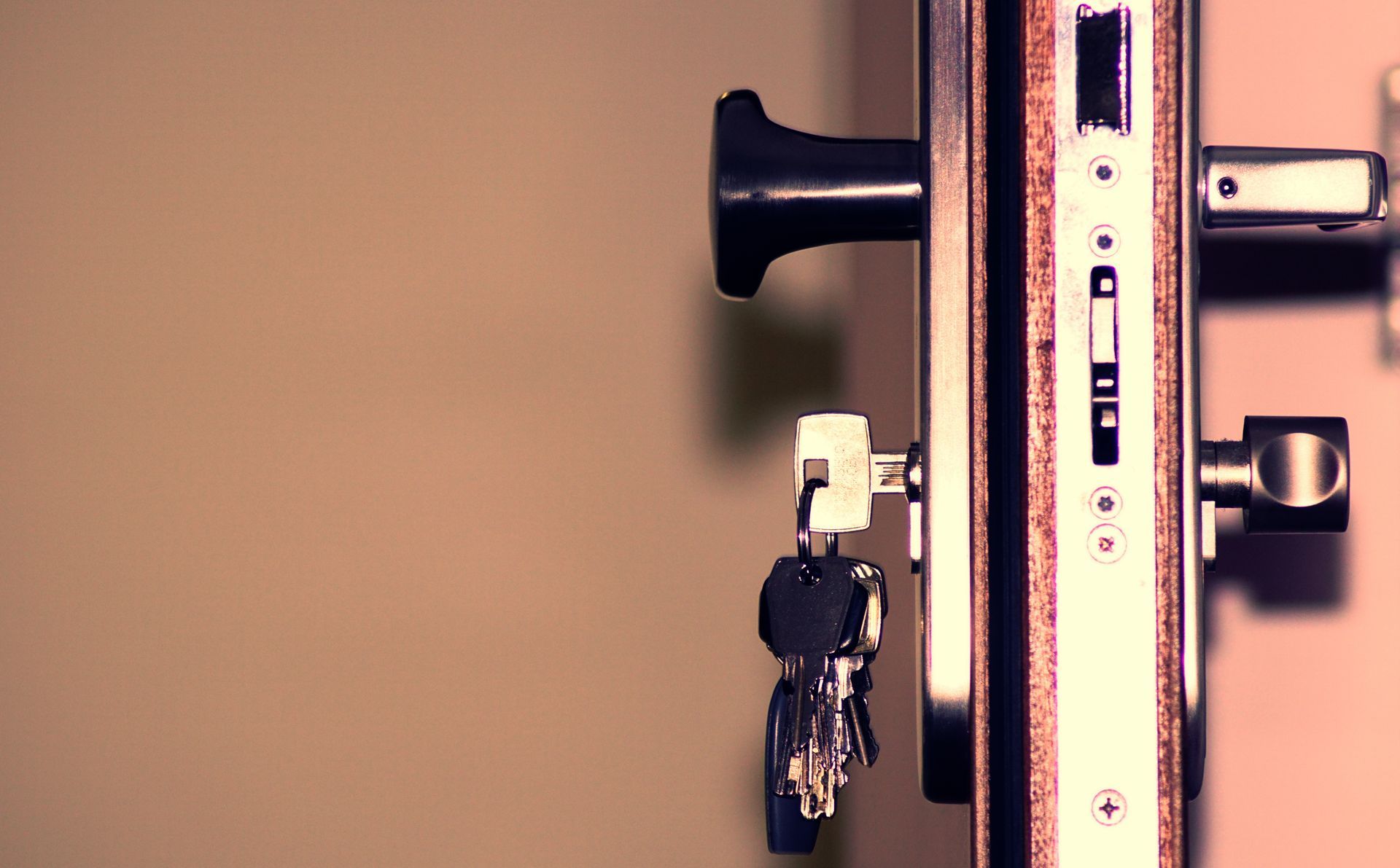
Sometimes a lock doesn’t need new keys — it needs to go. Hardware wears out after years of daily use, a remodel calls for a different finish across every door, or an insurance policy specifies a minimum lock grade after a claim or as a condition of coverage. Liberty Locksmith installs residential locks on-site, matching the hardware to whatever’s actually driving the change instead of defaulting to a one-size answer.
When Replacement Makes More Sense Than a Rekey
A rekey solves a key problem; a replacement solves a hardware problem. Locks that have gone loose, gritty, or hard to turn no matter how clean the keyway is are usually past what a rekey can fix, since the wear lives in the mechanism itself, not just the pin stack. The same goes for a style change — new handle sets, a different finish across the house, or matching hardware after a remodel — and for security upgrades, where moving from a builder-grade lock to something rated higher means installing different hardware, not just changing what key opens the existing one.
ANSI Grades, Plainly
Residential locks get rated on a scale of ANSI grades 1 through 3, and it’s worth knowing what that actually measures. Grade 3 is the lighter-duty tier that ships on a lot of new construction as the default — functional, but the minimum the standard allows. Grade 2 is a solid step up and covers the bulk of what goes onto a typical home’s exterior doors, holding up well to years of regular use. Grade 1 is the toughest rating in the residential and light-commercial range, built to withstand more force and more cycles before anything gives, and it’s the tier worth choosing for a primary entry door if security is the priority.
Brand Tiers: Everyday Hardware to Higher Security
Kwikset and Schlage are among the most common brands on homes in the area, and their residential lines cover most everyday needs solidly at the Grade 2 and Grade 3 levels. Stepping up from there usually means either the Grade 1 tier within those same brands or a dedicated high-security line built around restricted keyways and pick-resistant cylinders — worth a look for anyone wanting meaningfully more than standard hardware provides. Our high-security locks page covers that upper tier in more depth if that’s the direction you’re leaning.
Matching New Hardware to Keys You Keep
New locks don’t automatically mean an entirely new set of keys. When the replacement hardware uses a compatible keyway, a technician can key it to match a key you’re already carrying, so the new lock and your existing keys work together instead of forcing you to carry two separate sets. It’s a simple step during installation, and worth mentioning before the work starts rather than after.
Pricing a Lock Change
The number you’re quoted for a lock change is meant to cover the hardware itself and the labor to fit and key it — surprises once work starts are exactly what that quote is built to avoid. From there, price moves with the hardware grade and brand you choose, how many doors are being replaced, and whether the new locks are being keyed to match each other or an existing key. A single builder-grade replacement is a straightforward job; a full-house upgrade to Grade 1 hardware keyed alike across every door takes longer and involves more parts.
Choosing Hardware Without Overbuying
Not every door needs the strongest lock on the shelf. A primary entry door carries the most risk and is generally worth the Grade 1 investment, while a side door already covered by a fenced yard, or an interior utility door, often does fine with mid-grade hardware. A technician can walk through each door with you and recommend a grade that matches how much exposure that particular entry point actually has, rather than defaulting every door in the house to the top tier regardless of where it sits.
We handle all of this on-site across the metro — see our service areas.
Frequently Asked Questions
Should I change my locks, or just have them rekeyed?
It comes down to whether the hardware itself is the problem. If the lock still operates smoothly and only the keys need to change, a rekey handles that without the cost of new hardware. If the lock is worn, damaged, an outdated finish, or a security grade you want to move up from, replacement addresses the hardware directly instead of working around it.
Which brand should I buy?
The security grade stamped on the lock matters more than the brand name on the box. Kwikset and Schlage cover most everyday residential needs at the mid grades, and either is a reasonable choice for a typical exterior door. If you want the strongest available protection, look at Grade 1 hardware or a dedicated high-security line rather than choosing purely by brand recognition.
Can new locks be keyed to match keys I already have?
Often, yes, as long as the new lock uses a compatible keyway and blank. A technician can key new hardware to an existing key during installation rather than handing you an entirely new set, which is worth asking about up front if you'd rather not juggle two different keys on your ring.
What do the ANSI grades actually mean?
ANSI grades 1 through 3 rate a lock's durability and resistance to force under standardized testing — Grade 1 is the toughest and typically found on commercial doors and premium residential lines, Grade 2 covers most solid mid-range residential hardware, and Grade 3 is the lighter-duty tier common on builder-grade new construction.